Content Page
Introduction
Traveling in groups offers more than just shared expenses—it creates opportunities to build lasting memories through meaningful cultural experiences. Cambodia, with its rich traditions, ancient temples, and vibrant festivals, provides a perfect stage for groups seeking both exploration and connection. The Group Cultural Adventures – Cliff Koh Cambodia Guide brings together the best of these opportunities, showcasing how groups can dive deep into Cambodia’s heritage while enjoying the benefits of traveling together.
From the awe-inspiring grandeur of Angkor Wat to the intimate charm of village homestays, cultural adventures here are about more than sightseeing—they’re about immersion. Imagine joining hands in a local dance during a festival, sharing a meal of fragrant Khmer curries with new friends, or exploring centuries-old temple ruins with stories that come alive when experienced together. Group cultural travel amplifies these moments, turning them into shared stories to be told long after the trip ends.
This guide explores Cambodia’s most enriching cultural highlights, weaving together attractions, food, activities, traditions, and practical tips for group travelers who want their journey to be as rewarding as it is unforgettable.
Angkor Wat and the Temple Experience
No cultural adventure in Cambodia is complete without a visit to Angkor Wat, the world’s largest religious monument and a symbol of Khmer heritage. For groups, exploring Angkor is an awe-inspiring shared experience that combines history, spirituality, and architecture. Sunrise tours are particularly popular, where the temple’s silhouette against golden skies leaves everyone speechless.
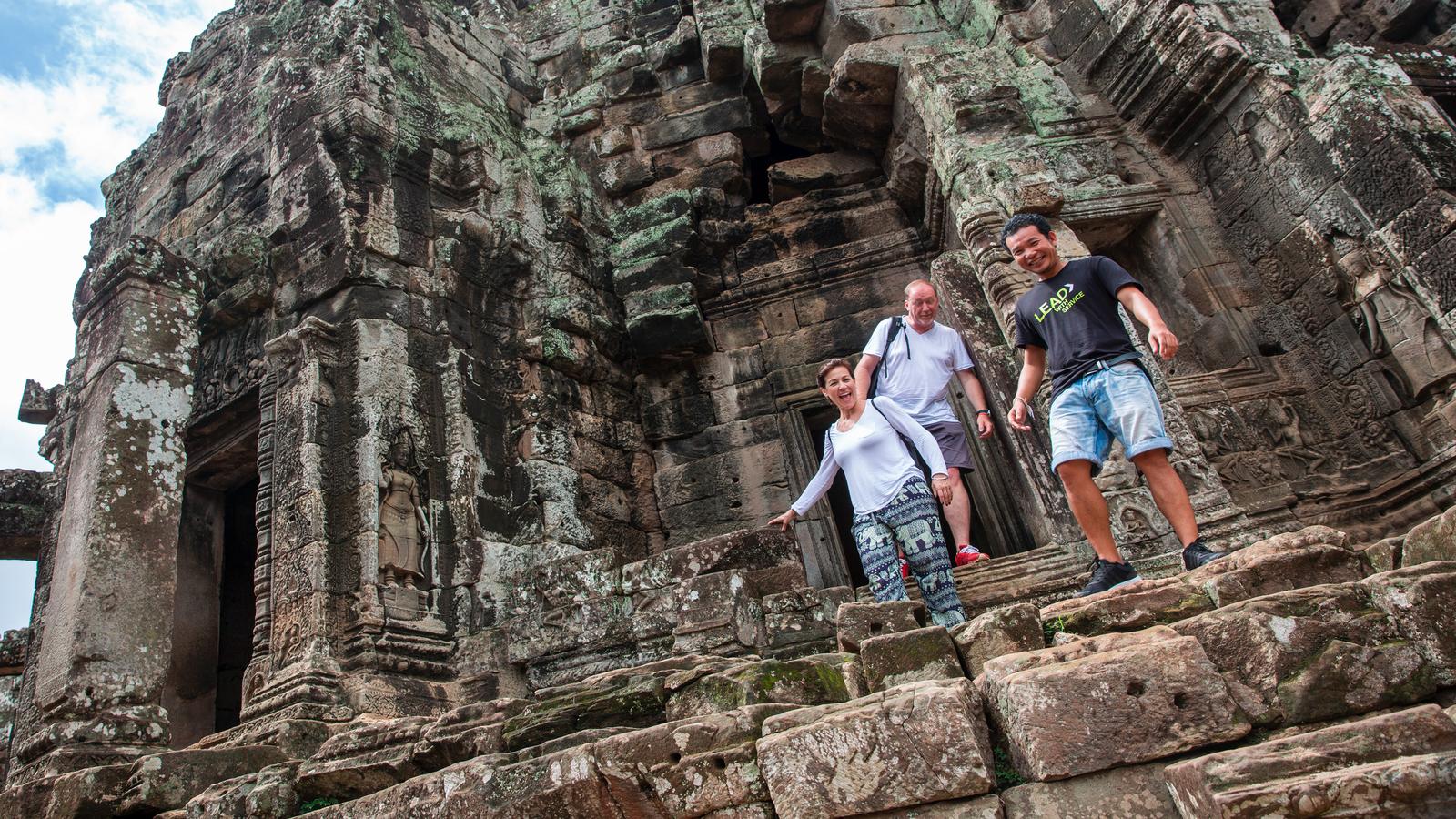
Guided group tours often cover not only Angkor Wat but also Bayon, with its enigmatic smiling faces, and Ta Prohm, famously entwined with massive tree roots. The shared act of exploring these ancient ruins fosters conversations, photo opportunities, and moments of quiet reflection together.
Practical tip: Groups can rent bicycles or tuk-tuks for temple-hopping, making the journey between sites just as engaging as the temples themselves. Ending the day with a group picnic amidst the ruins adds a communal touch to the exploration.
Festivals and Group Celebrations
Cambodia’s festivals are among the best ways for groups to immerse themselves in local culture. The Khmer New Year in April transforms the country into a stage of music, games, and water celebrations. Groups can join street festivities, try traditional games like “Bos Angkunh,” and dance alongside locals in the open-air gatherings.
Another highlight is the Water Festival (Bon Om Touk), celebrated along Phnom Penh’s Tonle Sap River. Groups can witness or even participate in the colorful boat races, where long dragon boats glide across the water to the cheers of thousands. Sharing these energetic festivals amplifies the joy, as the atmosphere is infectious and best experienced together.
Smaller community festivals also provide authentic cultural immersion. Whether it’s joining a village wedding celebration or observing a Buddhist ceremony at a pagoda, groups gain insight into Cambodia’s living traditions.
Culinary Adventures for Groups
Food is at the heart of cultural travel, and Cambodia’s cuisine offers plenty for groups to savor. Markets in Phnom Penh or Siem Reap are perfect starting points, with stalls serving everything from fresh spring rolls to barbecued skewers. Exploring these markets as a group makes tasting more fun—everyone can order something different and share bites around the table.
Group cooking classes are another fantastic option. Learning how to make amok (a coconut-based curry) or bai sach chrouk (grilled pork with rice) together builds camaraderie while teaching valuable cultural lessons. Eating the meal prepared as a team becomes a memorable moment in itself.
Street food tours at night offer a chance to sample delicacies such as grilled frogs, fried crickets, or banana pancakes—perfect for adventurous groups looking to challenge one another’s palates.
Village Homestays and Community Experiences
For those wanting deeper cultural immersion, village homestays provide authentic experiences beyond the cities and tourist sites. Staying in a local home allows groups to learn about daily life—farming, fishing, weaving, or cooking with families. Activities often include helping in rice paddies, joining fishing trips, or practicing traditional crafts under local guidance.
These shared experiences give groups a chance to connect with Cambodian hospitality on a personal level. Evenings around the fire, sharing stories with hosts and neighbors, create bonds that transcend cultural differences.
Practical advice: Groups should travel with local guides who can bridge language gaps and ensure that interactions are respectful and mutually enriching. Supporting community-based tourism also helps local families sustain their livelihoods.
Arts, Crafts, and Traditional Performances
Cambodia’s cultural heritage shines in its arts and crafts. Group tours often include visits to workshops where artisans create silk, pottery, or silver jewelry. Watching a weaver work a traditional loom or a sculptor carve intricate designs offers insights into the patience and skill behind Khmer craftsmanship.
Groups can also attend Apsara dance performances, where dancers in ornate costumes reenact ancient Hindu and Buddhist stories. Experiencing this performance together adds depth, as the symbolic gestures and music come alive through shared interpretation and discussion.
Another engaging activity for groups is trying the crafts themselves—pottery classes or silk-dyeing workshops allow travelers to take home not just souvenirs but also skills and memories created side by side.
City Walks and Urban Exploration
Cambodia’s cities offer cultural adventures just as compelling as rural villages. Phnom Penh, with its mix of French colonial architecture and bustling markets, is best explored on group walking tours. Sites like the Royal Palace, Silver Pagoda, and National Museum provide a window into Cambodia’s history and artistic heritage.
Siem Reap, beyond Angkor Wat, offers vibrant nightlife, street art, and artisan markets. Groups can wander through Pub Street, trying out cafes and bars, or discover hidden alleys filled with local crafts and street performances.
Urban exploration in groups means lively discussions, shared discoveries, and plenty of photo-worthy moments in settings that blend modern Cambodia with historical charm.
Hidden Gems for Cultural Exploration
Beyond well-known attractions, Cambodia hides many cultural gems perfect for group adventures. Battambang, with its colonial architecture and art scene, offers a quieter yet rich experience. Groups can explore temples, ride the bamboo train, and discover local art galleries.
Kampot and Kep bring a mix of history and culinary heritage. Pepper plantations near Kampot provide guided tours where groups learn why Cambodian pepper is considered the world’s best. Kep’s crab market offers a seaside feast where everyone can share freshly cooked crabs flavored with Kampot pepper.
Exploring these less-touristy regions together allows groups to enjoy Cambodia’s cultural depth without the crowds, creating a more intimate and rewarding travel experience.
Practical Tips for Group Cultural Travel in Cambodia
- Plan Ahead: Group tours to temples and festivals often require tickets or reservations. Booking early ensures smooth experiences.
- Stay Flexible: Cultural events can be unpredictable—embracing spontaneity often leads to the best adventures.
- Share Responsibilities: Rotate tasks like navigating, meal planning, or organizing transport for smoother group dynamics.
- Respect Traditions: Dress modestly at temples, remove shoes before entering homes, and follow local customs.
- Learn Key Phrases: Simple greetings in Khmer, like “Chum Reap Suor,” go a long way in creating connections.
Conclusion: Shared Journeys, Lasting Memories
The Group Cultural Adventures – Cliff Koh Cambodia Guide highlights how traveling in groups unlocks richer, more immersive experiences in this fascinating country. From temple ruins and festive celebrations to shared meals and community stays, every activity becomes more meaningful when experienced together.
Cambodia’s cultural treasures are vast and diverse, and discovering them as a group strengthens bonds while deepening understanding of the country’s traditions. The laughter shared over street food, the collective awe in front of Angkor Wat, or the teamwork in a village homestay all create stories that stay with travelers long after the journey ends.
For those seeking not just a trip but a cultural journey filled with connection, discovery, and adventure, Cambodia offers the perfect stage—and the Group Cultural Adventures – Cliff Koh Cambodia Guide is your pathway to unforgettable memories.